Trees contribute to the appearance, shade and character of a property, but there are circumstances when removing a tree becomes the most appropriate option. A tree may be dead, severely damaged, unstable or growing in a position that creates ongoing concerns for nearby buildings, access routes or other parts of the garden. In these situations, professional tree felling can help address the problem safely and responsibly.
For homeowners and property owners in Brockworth, Gloucestershire, understanding what tree felling involves can help you make an informed decision before arranging any work. From assessing the tree’s condition to planning the removal and managing the remaining stump, careful preparation helps ensure the process is suitable for the property and its surroundings.
When Is Tree Felling Necessary?
Tree removal should be considered carefully, as preserving a healthy tree may be possible through appropriate maintenance or pruning. However, some conditions can make felling the more suitable solution.
Dead or Severely Diseased Trees
A dead tree or one affected by advanced disease may have weakened branches, a deteriorating trunk or compromised structural stability. These problems can increase the risk of branches breaking or sections of the tree failing, particularly during adverse weather.
A professional assessment can help establish whether the tree can be retained safely or whether removal is the most appropriate course of action.
Storm Damage and Structural Weakness
Strong winds and severe weather can split branches, damage the trunk or disturb a tree’s root system. Even when a tree remains standing, visible cracks, a sudden lean or exposed roots may indicate a structural problem.
Not every leaning tree is necessarily dangerous, but a new or increasing lean should be investigated. Where significant damage is present, professional tree surgery can help determine the safest way to manage the situation.
Trees Affecting Buildings or Outdoor Spaces
A tree may outgrow its location, interfere with access or create difficulties for nearby structures and garden features. In some cases, pruning may resolve the issue. Where the tree’s position or condition makes retention impractical, removal may be considered.
For properties in Brockworth, Gloucestershire, assessing the tree alongside its surroundings helps identify the most appropriate approach without removing trees unnecessarily.
What Should Property Owners Consider Before Tree Removal?
Assess the Tree and Its Surroundings
Before felling begins, the tree should be assessed for its height, spread, condition and structural stability. The surrounding area is equally important. Nearby buildings, fences, garden walls, sheds, overhead services and neighbouring trees can all influence how the work needs to be carried out.
Limited space may make it unsuitable to fell the tree in one piece. Instead, a tree surgeon may need to dismantle it in controlled sections, lowering branches and trunk sections carefully to avoid damage.
Plan Access and the Working Area
Professional tree felling requires sufficient space for equipment, safe working positions and the controlled handling of branches and timber. Restricted access, uneven ground and obstacles can affect the work plan.
Property owners should discuss access arrangements with the tree surgery team before the scheduled work. Moving garden furniture, vehicles or other removable obstacles away from the working area can also help prepare the site.
Consider Wildlife and the Surrounding Garden
Trees can provide habitats for birds, insects and other wildlife. Before removal, the tree and its immediate surroundings should be assessed for signs of nesting birds or other wildlife that may be affected.
A professional tree surgeon can advise on appropriate timing and practical measures to minimise disturbance. This helps ensure that the work is planned with consideration for the wider garden environment.
How Professional Tree Felling Is Carried Out
The method used depends on the tree’s size, condition and location. Where there is adequate clear space and conditions permit, a tree may be felled in a controlled direction. In built-up gardens or areas with nearby structures, sectional dismantling is often more appropriate.
During sectional dismantling, the tree surgeon removes branches and sections of the trunk in a planned sequence. Where necessary, specialist equipment is used to lower material safely rather than allowing it to fall freely.
Once the tree has been removed, branches and timber can be processed and cleared from the work area according to the agreed arrangements. Property owners should also consider whether the stump needs to remain, be cut lower or be removed through stump grinding.
Choosing the correct method helps protect nearby property, reduce unnecessary disturbance and leave the site in a manageable condition.
Why Professional Tree Surgery Is Important
Tree felling involves significant risks, particularly when trees are large, damaged or close to buildings and other obstacles. Incorrect cutting can cause a tree or branch to fall unpredictably, potentially resulting in serious injury or property damage.
Professional tree surgeons have the training, experience and appropriate equipment to assess the tree and plan the removal method. They can also recognise when specialist techniques are required and manage the work in a controlled manner.
Attempting to fell a large tree independently can expose property owners to unnecessary danger. Even apparently straightforward removals may involve hidden defects, unstable branches or unexpected changes in the tree’s balance.
EM Tree Surgery Brockworth can help property owners in Brockworth, Gloucestershire, assess trees that may require removal and determine a suitable approach based on their condition and location.
What Happens After a Tree Has Been Felled?
Once the tree has been removed, the remaining stump may affect how the garden can be used. It can obstruct landscaping, interfere with mowing or become an obstacle along a path.
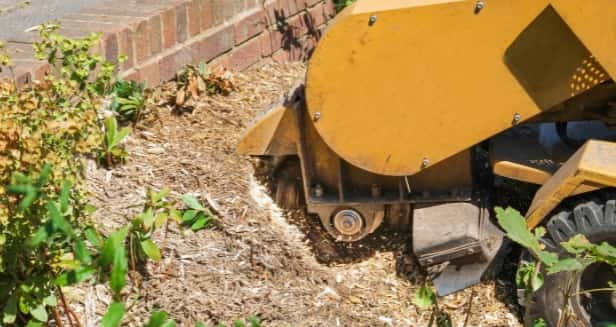
Stump grinding can reduce the stump below ground level, making the area easier to manage or prepare for future landscaping. However, the most suitable option depends on the stump’s size, location and the intended use of the space.
It is also worth considering how the removal will affect the garden’s appearance and planting arrangements. Replacing a removed tree with a more suitable species may help maintain greenery and provide future shade where space allows.
Conclusion
Professional tree felling is sometimes necessary to address dead, diseased, damaged or unsuitable trees, but removal should always begin with a careful assessment. Considering the tree’s condition, surrounding structures, access requirements and potential wildlife impacts helps ensure that the work is planned appropriately.
For property owners in Brockworth, Gloucestershire, professional advice can clarify whether a tree needs to be removed or whether another tree surgery solution may be suitable.
If you have concerns about a tree on your property, contact EM Tree Surgery Brockworth to arrange an assessment and discuss the most appropriate way forward.
Call us on: 01452 941 558
Click here to find out more about EM Tree Surgery Brockworth
Click here to complete our contact form and see how we can help with your tree needs.